















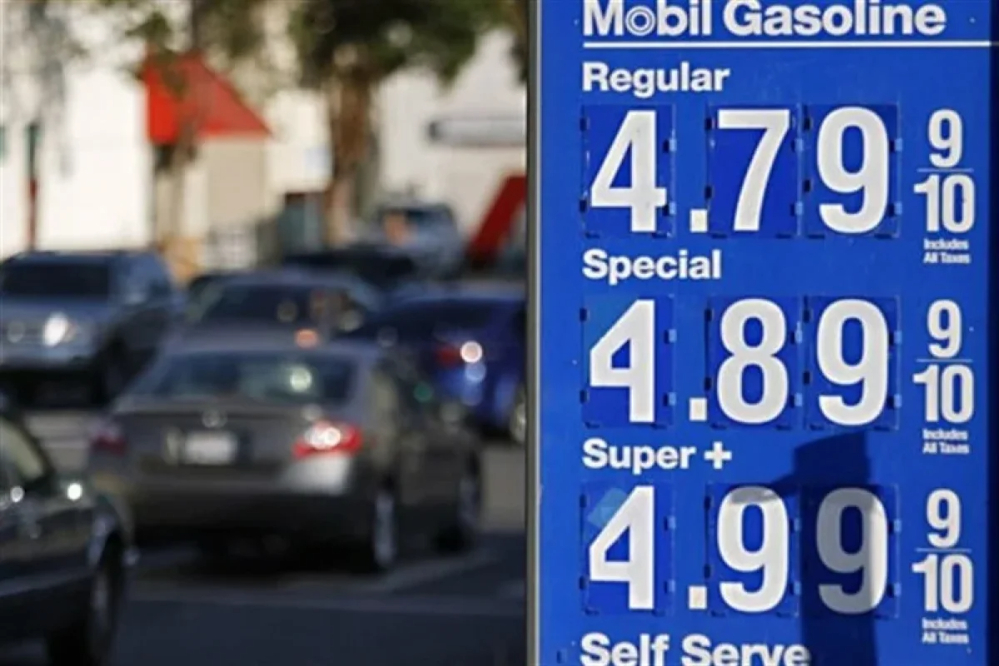


ALWAGHT- Global fuel market shaken as energy flows through Strait of Hormuz disrupted by West Asia tensions: Gas prices soar across the World.
From February 23 to April 13, 2026, gasoline prices surged significantly across the world due to geopolitical tensions in West Asia and concerns over energy transit through the Strait of Hormuz.
Southeast Asia was the most affected region, with Myanmar recording a 101.1 percent increase, followed by the Philippines (72.6%) and Malaysia (68.1%). Other countries such as Laos, Zimbabwe, Pakistan, and the United Arab Emirates also experienced sharp price increases.
In the Americas, the United States saw a 35.1 percent increase, with gasoline prices reaching about $1.27 per liter. Canada faced a 28.9 percent rise.
In Europe, the United Kingdom rose by 20 percent, Germany by 18.8 percent, and France by 10.8 percent. Africa's Malawi remains one of the most expensive markets, while Algeria showed no noticeable change.
Asia saw a 29 percent increase in China, 16.5 percent rise in South Korea, and an 8.2 percent increase in Japan. India posted a slight decrease.
Rising gasoline prices have wide-ranging consequences, including higher transportation costs and increased goods prices, as well as intensified global inflation. If tensions persist and the risk of disruption remains, energy market volatility, supply shortages, and heightened competition for resources could occur.
To mitigate these risks, countries may move toward increasing strategic reserves, diversifying supply sources, and investing in alternative energy.










