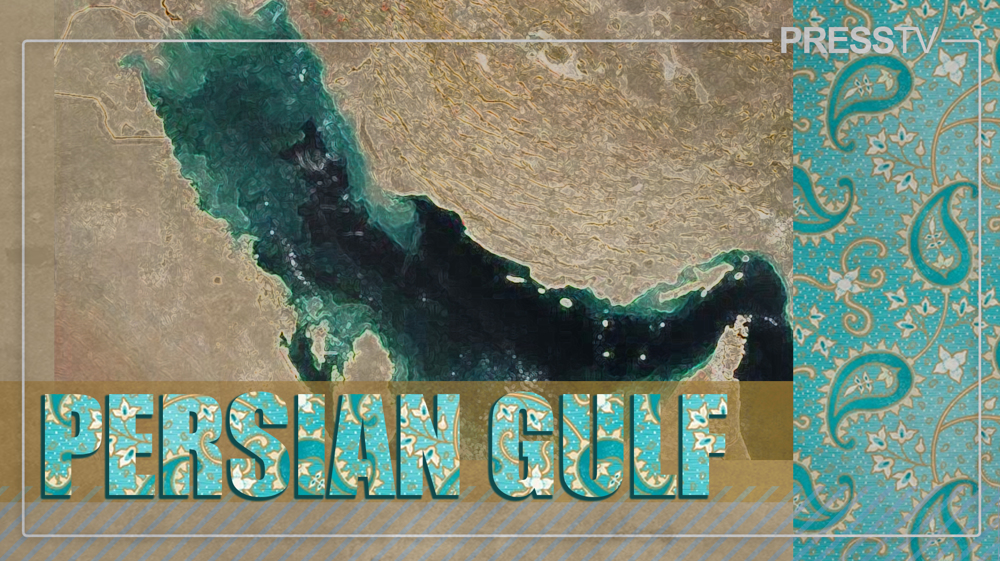








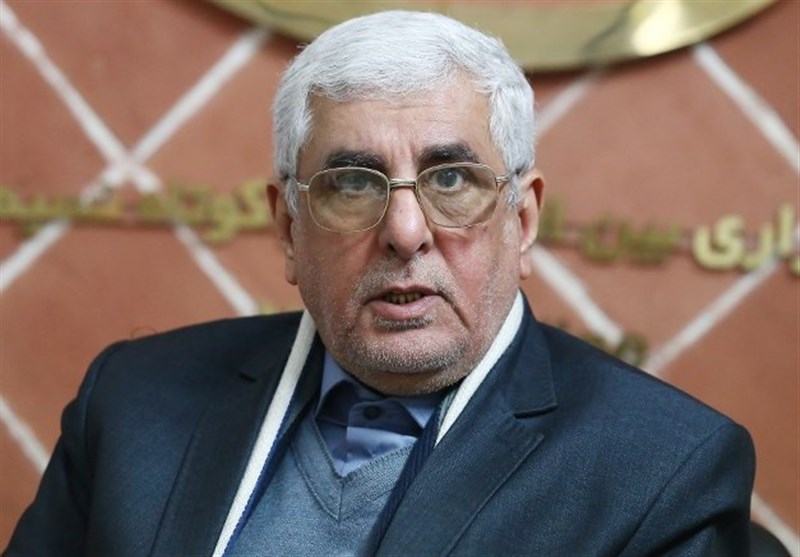


Alwaght- As the US resumes its aggression on Iran in the Persian Gulf, Alwaght talked to International affairs expert Hassan Hanizadeh, discussing with him the dimensions of the renewed confrontation. Hanizadeh believes that the US is seeking dominance over the Strait of Hormuz and its ultimate objective is to deprive China of West Asia oil.
Possible surprise ground offensive or occupation of islands
Citing Trump who recently said that the mid-June deal with Tehran is over and war has formally resumed, Mr Hanizadeh said that the recent remarks by the US president should be taken seriously. Given the recent developments, the near end of the US-hosted World Cup, and the US administration's expanded focus on Iran, it seems that these comments by Trump are not just for feeding media propaganda and should be precisely taken into account.
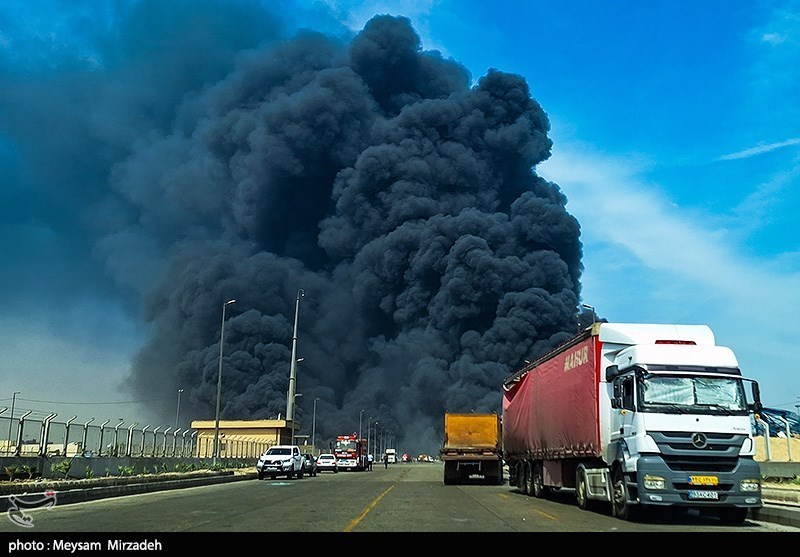
In recent days, the US military launched massive attacks on civil and urban facilities in the coastal Iranian cities in the south. These actions can usher in a new sea or air confrontation, and war can expand to have ground aspects.
Additionally, there are intelligence reports that Iranian separatist groups concentrated in Iraqi Kurdistan region, as well as those around southeast Iran, are training and gearing up for a ground invasion simultaneously with the large-scale American attacks. So, the current threat is serious and the armed forces and responsible institutions should watch the American and Israeli moves closely and precisely. Also, the last week NATO meeting in Turkey could be for coordinations among the Western bloc's arrangements for possible assistance to the American operations. So, the situation has grown more dangerous than before. The Americans are pushing to seize control of the Strait of Hormuz and prospectively seize Kharg Island, to cut off Iran's oil exports. So, Iran needs to prepare mechanisms necessary to neutralize the US pilots proportionate to the American moves.
Trump's belligerent approach could be checked after Congress elections
Pointing to the domestic US factors that could shape Trump's calculations on launching a new war with Iran, Hanizadeh stated that to read Trump's behavior, you have to factor in US's internal dynamics. Polls show Republican popularity has tanked, largely due to Trump team's reckless adventurism. The situation is such that this could cost the GOP dearly in the upcoming congressional elections. While Republican and Democratic policies toward Iran and the region are largely aligned, a loss of House and Senate seats for the GOP could put a brake on Trump's aggressive posture.
That said, Hanizadeh stressed this is ultimately an American internal affair. What matters is Washington's policy toward Iran and the region. Any US military movement, he adds, must be closely monitored, and every effort should be made to prevent the conflict from widening. The current moment, he warned, is highly sensitive and serious, with Americans' primary focus domestically fixed on the congressional race.
Strait of Hormuz significance in Trump's strategy of containing China
Addressing the US's recent announcement about taking control of management of the Strait of Hormuz, Hanizadeh said that the US's move to launch an illegal sea route in the southern side of the strait and guiding the ships to transit in the US Navy-managed route shows that this country is never committed to its obligations under the deal and its aim is to impose a kind of new colonialism in the sea and land. This is a violation of Iran's sovereignty over its sea borders. Another matter is that the Americans are trying, through controling the waterways, manage the oil supplies to the world markets, especially to break flow of West Asia oil to their rival China
What happened in Venezuela, including the abduction of its president and the regime change there, was carried out with one clear goal: to cut China off from Venezuelan oil. Now, it is West Asia's turn. The Americans are trying to seize control of strategic maritime chokepoints to block oil exports from the region, especially to China, in a bid to throttle Beijing's economy.
So, Washington's ultimate objective in seizing these sea lanes, particularly the Strait of Hormuz, is to starve China of West Asian oil, above all, Iranian crude. This poses challenges for both China and Iran.
Hormuz legal regime should be approved by Iran and Oman as soon as possible
Hanizadeh, pointing to Oman's decisive role as the other Persian Gulf littoral state in shaping the future of Strait of Hormuz management, said that the Sultanate of Oman is a fully influential player in regional developments. The country has maintained a relatively consistent policy toward regional and international affairs. Over the years, Oman has genuinely worked to bridge the gap and bring Iranian and American viewpoints closer together.
He acknowledged Oman's limits, however, saying that given its political, geographic, and security constraints, Muscat is not in a position to single-handedly resolve the region's complex problems. Still, the country commands considerable respect in regional public opinion and can wield influence in settling many regional, and even international, conflicts.
This, he explained, is precisely why Iranian and Omani officials have recently held talks aimed at devising a set of joint cooperation mechanisms and arrangements for the Strait of Hormuz, which could yield positive effects across the region.
As for Trump's claim about levying a 20 percent toll on ships transiting the strait, Hanizadeh dismissed it outright, saying that sounds less like a real policy and more like political satire. However, he cautioned that given Washington's drive to project power and hegemony to expand its influence and authority in the region, the possibility remains that the US might attempt to impose its will on this strategic waterway through a blockade.
In such a scenario, the US could leverage its military superiority to dictate terms, whether imposing tolls or even restricting passage through the Strait. Iran, Hanizadeh advises, must not allow what could be called 'American-style security' to prevail in the Hormuz. It must rely on its own military capabilities to prevent the US from expanding its military footprint in this waterway.
Indeed, levying toll from an Iranian viewpoint is Tehran's right since the strait is an Iranian territory. Iran can, citing international laws, exercise its rights and powers and prevent ships from sailing off the Iranian-approved route. So, this mechanism, and generally the Iran-favored legal regime, should be implemented as soon as possible.
Iran ready to counter renewed American aggression
When asked about Iran's defensive strategy in the rejuvenated war and how far Tehran would go in responding to American hostilities, especially after Washington reinstated its naval blockade, Hanizadeh maintained that Iran's defense strategy is inherently stable, grounded in rationality, and firmly based on both field intelligence and political realities. Based on current developments, he said, Tehran has devised new mechanisms to counter any US attacks, and Iranian forces are keeping a vigilant eye on every move made by the US Navy.