
















ALWAGHT- Recent statements by Nancy Pelosi suggest that long-standing US sanctions have not reshaped Iran’s political structure but have extorted heavy economic costs on the public.
Over more than four decades, US sanctions against Iran have evolved into a central yet highly contested pillar of Washington’s foreign policy. Despite their increasing sophistication and scope, the gap between stated political objectives and real-world outcomes has remained wide, affecting both Iran’s economy and the rhetoric of American officials.
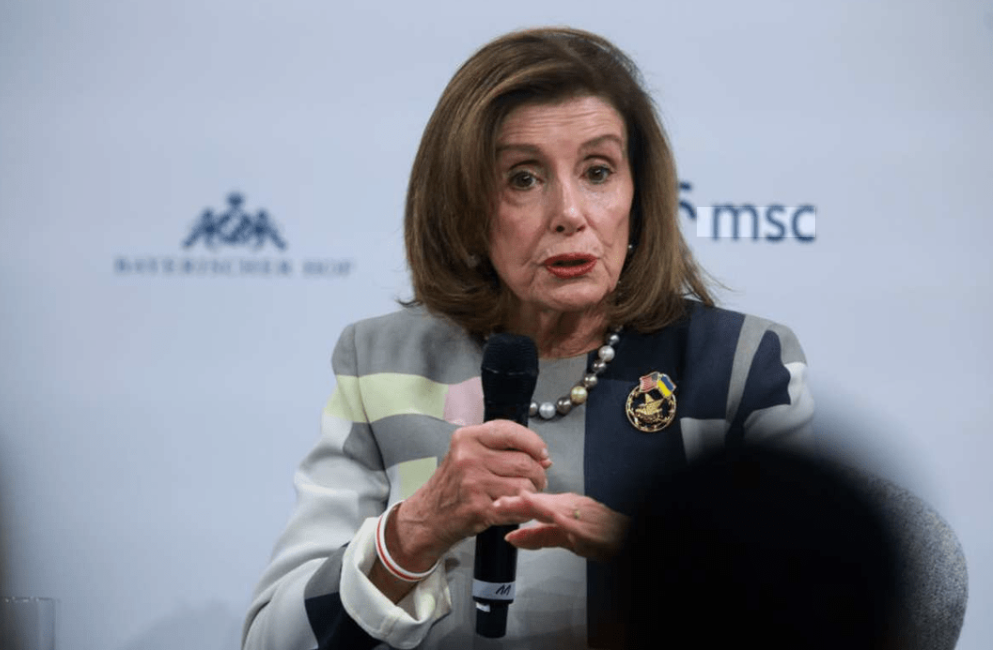
Recent remarks by Nancy Pelosi highlight this contradiction. By framing economic pressure as a substitute for military action and a direct means of weakening livelihoods, her comments implicitly acknowledge that earlier sanctions have not delivered decisive political results and that economic harm is a deliberate feature, not a byproduct, of the strategy.
While sanctions have severely restricted Iran’s access to global finance, oil markets, and investment, their effectiveness in producing meaningful political change is increasingly questioned. The repeated call to “intensify pressure” suggests that previous measures have fallen short; a successful strategy would not require constant escalation to justify its relevance.
Meanwhile, the primary impact has been borne by ordinary Iranians. Inflation, currency devaluation, reduced access to medicine, and declining purchasing power have become everyday realities, particularly for vulnerable groups. Four decades on, sanctions have demonstrated clear human costs but limited political payoff, underscoring the need to reassess both their effectiveness and their ethical implications.










