












ALWAGHT- A dispute between Israel's security minister and top general has escalated into a significant confrontation over postwar authority and military control.
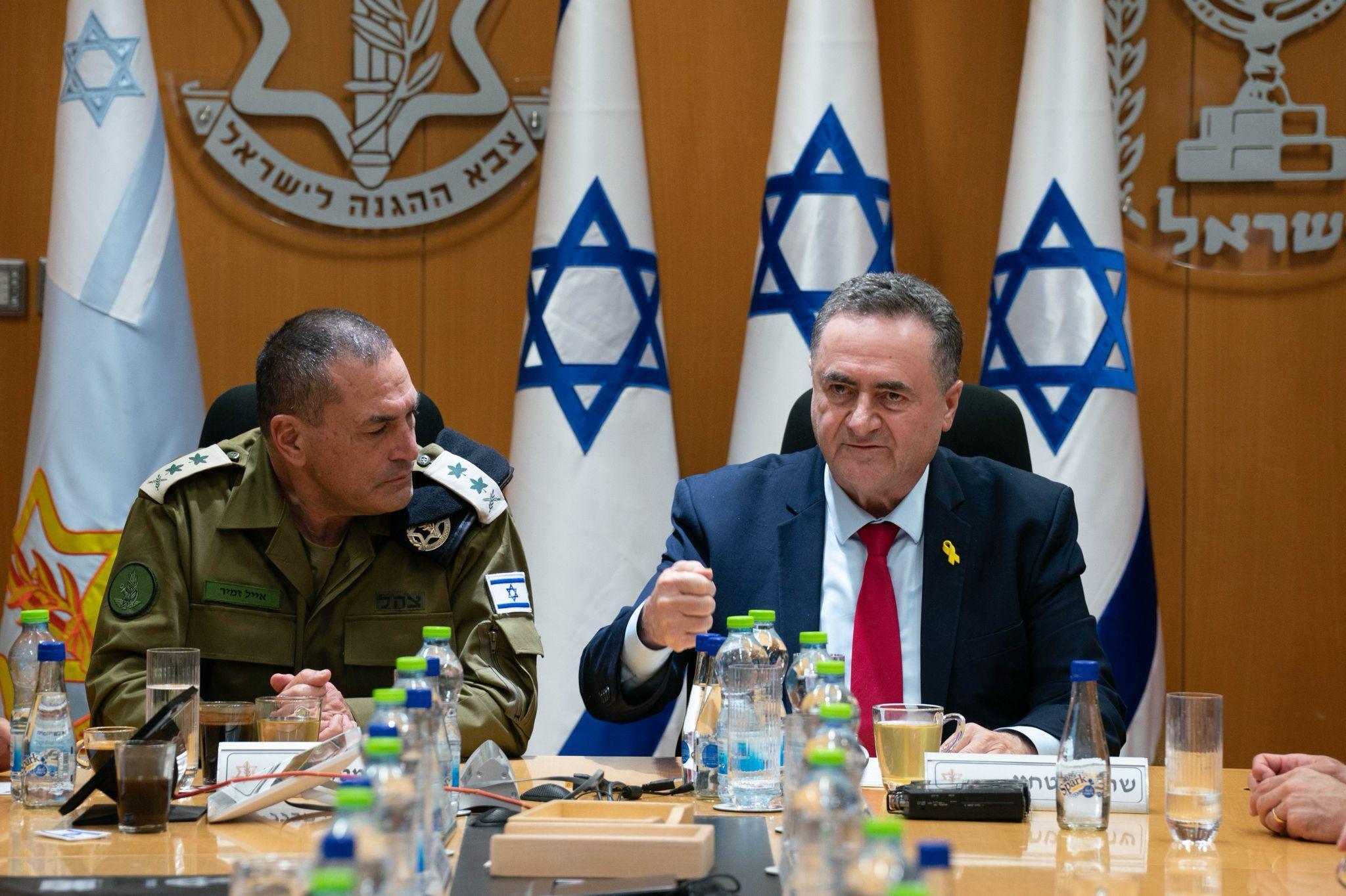
The dispute between Israeli Security Minister Israel Katz and Chief of Staff Eyal Zamir has escalated into a major public crisis over political control of the military. The conflict, initially focused on investigations into the October 7th failures, erupted when Zamir proposed a formal state commission of inquiry. Katz immediately countered by publicly insisting that no new military appointments should occur until current investigations concluded, signaling a deep clash over authority and the process of accountability.
The rift intensified into direct action when Zamir imposed professional sanctions on officers without consulting Katz, who saw this as an overstep. In response, Katz froze senior military appointments. Zamir defied this freeze by proceeding with dozens of appointments, deepening the institutional standoff. Katz further escalated by canceling a specific appointment based on the officer's past association with an anti-government protest movement, a move widely seen within the military as dangerous political interference that risks professional officers' careers.
The crisis has exposed a fundamental power struggle over the military's future. Zamir is portrayed as seeking to rebuild the army's command structure through professional appointments and a broad, independent inquiry that would also examine political failures. Conversely, Katz’s actions are interpreted by Zamir's supporters and analysts as an attempt to shield the political leadership from accountability and to align military promotions with political loyalty, thereby entangling the institution in politics.
Media coverage in Israel reflects the division, with right-wing outlets campaigning for Zamir's dismissal and linking him to anti-government protests, while other analysts warn his removal would critically destabilize the military. The consensus is that this conflict has moved beyond internal disagreements to become a decisive struggle for post-war military leadership, with significant risks of structural erosion, a wave of officer resignations, and the further politicization of the Zionist regime's security establishment.